Semester planning tips
Semester planning tips
By the Roadmap+ Team
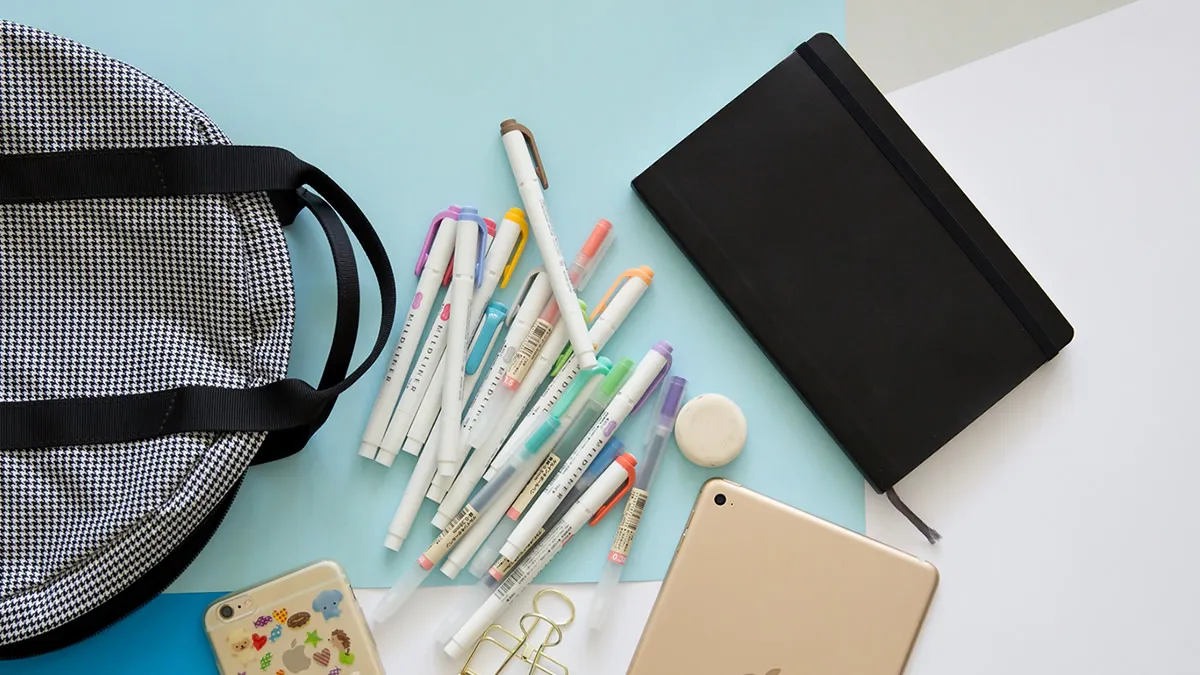
Studying is challenging enough on its own without worrying about what's due when and wondering how you got to exam week so soon. Getting into the habit of planning the semester before classes commence will help ensure there's more learning and less stressing next semester.
Starting a new semester can be daunting. New teachers, new buildings, new topics, loads of assessments. New books, stationery and a fresh start, on the other hand, can be inspiring, evoking a spike in motivation levels. That's until the end of week three when you realize you're already slipping behind in two subjects, your social life is on hold and the prospect of improving your GPA this semester is unlikely. Is there any way around this seeming inescapable doom?
Yes, there is. Sure, there are subjects that we'll never be great at, but with consistent effort, most of us can do better than when we cram. With some smart planning, you can focus on what's important - the material - rather than wasting time and energy feeling out of control and overwhelmed by 'unforeseen' deadlines.
11 easy and effective tips for planning a semester
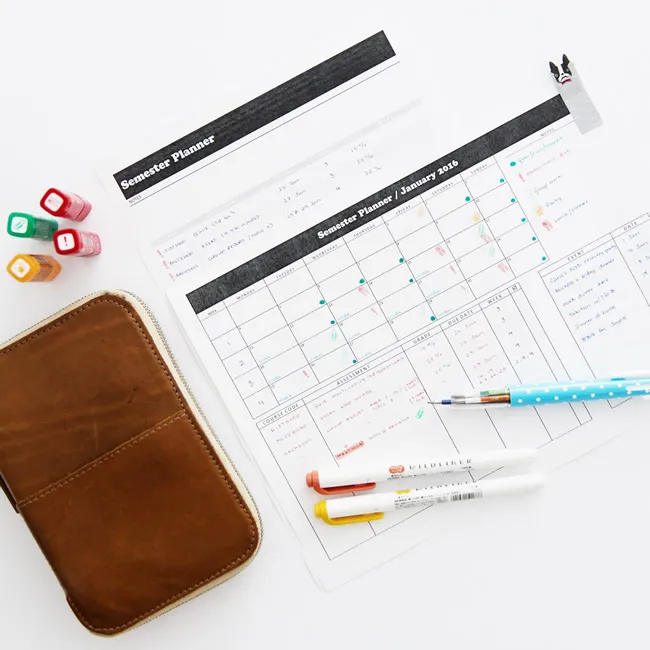
- First and foremost, don't rely on memory, use a planner. A weekly and monthly view is essential to visually estimate how much time you have to do something.
- At the beginning of each term or semester, gather all syllabuses, semester outlines, personal dates and holidays. Plug all information into your planner.
- If possible, create a page in your planner that lists all deliverables and due dates chronologically. This way you'll have a quick snapshot of everything which you can also use to track grades.
- Use a spreadsheet as an alernative to creating a page in your planner. This way you can easily add tasks or assessments and re-sort by date or subject without making a mess.
- Use a calendar, diary or homework tracking app to log all tasks and due dates to have them with you at all times.
- Purchase and label all notebooks and folders for each subject. Insert all due dates on the inner sleeve or first page of each notebook.
- Keep all study materials in an accessible place or in your bag when you're not studying.
- Always have a small notebook handy for recording ideas, reminders, and tasks that you might need to transfer to your planner and app(s) later.
- Review your planner and/or task list everyday. You'll avoid nasty surprises and be more likely to stay on track.
- If you have open book exams or a lot of terminology to recall, consider creating an index of terms, key concepts, cases and exercises you find helpful. Include a column for subject code and one for week or topic. Spreadsheets come in handy again as you'll be able to sort or filter columns and categories. Print this weekly and bring when revising or to your open book exam.
- Buy or create your own flashcards. Keep them as short and simple as possible, but try to write them in a way that you could test yourself from the front or the back.
Category:
For updates on new tools and apps, subscribe to our newsletter. We only send these out when there's something truly exciting - we won't spam you.