Going minimal: Phase 3 (paperwork)
Going minimal: Phase 3 (paperwork)
By the Roadmap+ Team
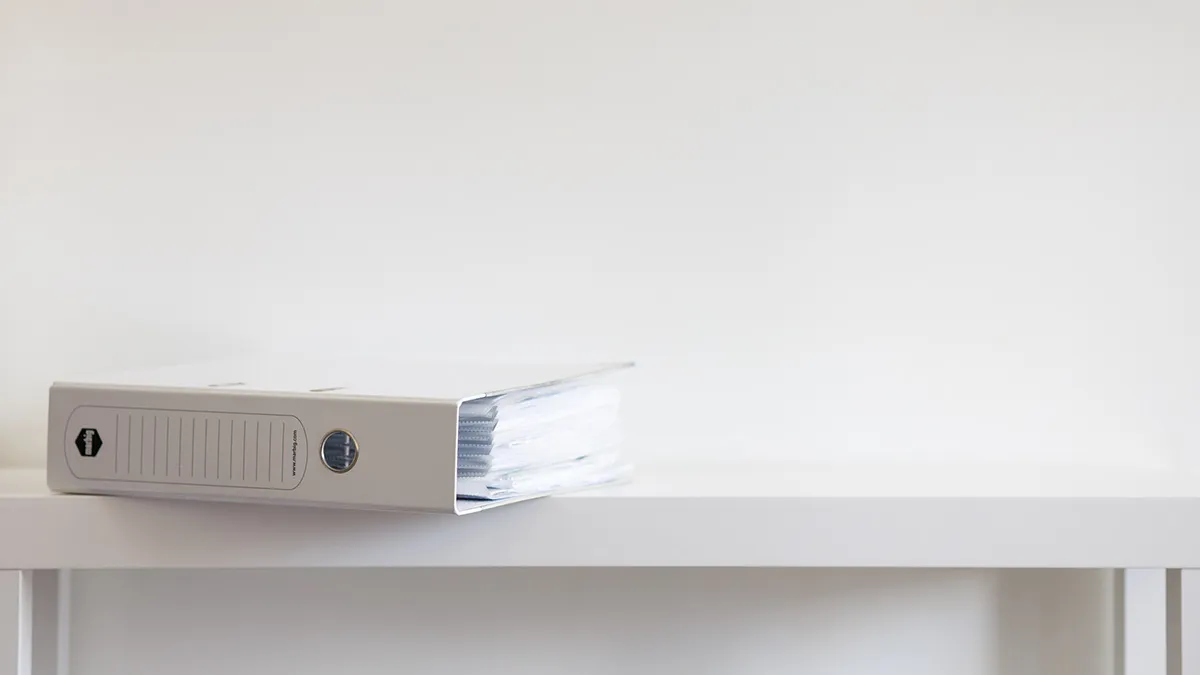
Minimalizing paperwork may be the least physical phase, but it may be the most onerous in your minimalist journey. For most, discarding, storing and setting up a system to manage future paperwork means going through each past and present bill, receipt, warranty, study document, work document, technical manual and, finally, random paper keepsake.
::. More from the Going minimal series .::
keep each subcategory sorted chronologically with the latest being on top for easy access
Tools of the phase
The process can consume a few hours to a few days, depending on how much paperwork you have to begin with and the organizational state it is in. Before commencing the process, there are a number of storage, filing and disposing tools that will be useful to have on hand, namely:
- smartphone or scanner
- computer and/or backup storage device
- hole punch
- 1-3 large folders and plastic sleeves that fit the folder
- stapler and staples
- bulldog clips
- shredder and/or a few garbage bags
Recordkeeping rules
It would be nice to toss everything that's paid or no longer relevant in the trash, but to avoid unforeseen problems with creditors or auditors, ensure you keep finance-related paperwork for the period decided by law. It's crucial to find out what your local laws are on recordkeeping, which may also be affected by the purpose (i.e. personal versus commercial). There may also be different laws concerning the medium or format. For example, scanned or digitized documents can easily be altered and therefore a prohibited form of storage unless received in that format.
As published legislation differs in accessibility by country, if you can't be sure of what you find when Googling, ask your tax accountant, financial advisor or a taxation hotline to clarify recordkeeping periods and storage formats. In general, the period is likely to be at least 3-7 years, so if it's less, it's best to check with a professional or authority.
Receipts for valuable items that you still own, generally anything over $1000 (but it can be any amount), should be kept in the event of an insurance claim. Even if it's fully depreciated and old, it may still be worth something if you need to make a claim. The recordkeeping rule should not be applied.
Sorting and discarding
Once you have the above tools, are confident about local recordkeeping laws and have a free hour for getting started, you're ready to embark on phase three.
- To begin, we borrow from Marie Kondo and gather all paper into one spot, such as your living room floor or a large dining table. Include filed paperwork, as some could be discarded or stored electronically.
- Having gathered the paperwork, you'll have a rough idea of the overarching categories they fall into. Create a list of these categories and mark a space for them, such as study/work (together), bills/receipts/warranties, manuals, leases/mortgages/cars, bank, sentimental, and so forth. Mark each category area with a Post-it or page flag. The number of categories will likely align to an individual ring binder or section of a large ring binder.
- Pick up a thick pile of paper and separate across the categories. This step alone may consume a large chunk of time and all you want to do in one sitting. That's ok, but it's best to continue on to step 4 the next day to keep the momentum and reduce clutter.
- When everything has been grouped into a category, each category is to be divided into subcategories. Select a category, such as bills/receipts/warranties, and sort by business name. For study or work, consider separating by type, such as essay, transcript, award, project, contract, business card, and so on.
- After all subcategory piles are finished, go through each and sort by date: oldest on the bottom and the latest on top. This step may be split over multiple sessions as looking for dates can be both mind and eye-boggling. Again, aim to pick up where you left off the very next day.
The reason we haven't thrown away paperwork past the recordkeeping period is because you may want to look at them more closely in the next step and scan them anyway. For example, if you know of a troublesome creditor (e.g. a phone company) or one that has changed owners or business names, it might be best to scan the older bills and keep them electronically anyway. If there was something where you scrawled a lot of notes, that could be something to scan, too. Data and customer service notes can disappear or be interpreted in unexpected ways years later and can unfairly affect your credit rating if you cannot prove or argue something. - The aim of this step is to discard what you don't need per your recordkeeping rules. Go through each subcategory pile and look carefully at the crossover period to ensure there are no balances carried forward, interesting notes or an important receipt for a valuable item. If there's anything you don't feel comfortable throwing away, scan and store it electronically. Like previous steps, this can be lengthy due the careful attention and the scanning involved. Spread it out over multiple sessions or days to avoid frustration and stress.
To rapidly locate scanned files, it can be helpful to keep them in separate category folders on your computer, just like the paper-folder equivalent. To replicate the ordering of business names and dates, it saves time now and in the future to immediately name the scanned image to “BusinessName-YYYYMMDD-OptionalDescription”, for example, “Apple-20201225-iPadReceipt” or just “Apple-20201225”. If you have multiple files on the same day for a business, you could add the reference number, such as invoice number. The non-American date format helps when sorting by file name and going up or down in year and month sequentially.
Given the nature of the trash, it's best to shred the documents. If you don't have a shredder handy, rip thin piles of paper into to smallish pieces and divide them over different bags, just to be sure they can't be pieced together again. Identity theft is a real threat and crime; no one is exempt from being a potential victim. - The remainder of the piles go into their respective category folders. Sort the subcategories alphabetically, and keep each subcategory sorted chronologically with the latest being on top for easy access.
Keepsakes
A special note on paper keepsakes, such as vacation souvenirs, tickets, guides and the like, as we talked about in Going Minimal: Phase 1, many things we keep are never used and are kept merely out of fear, what-ifs and sentimentality. That's fine, but if they're taking up space, causing you worry (such as knowing where they are and if they're safe), enjoying it in your hands one last time and taking a photo or two of it may be enough. Try it and you'll understand.
Naturally, some items can't be replaced or simply remembered with a photo, but there are likely many souvenirs that serve no purpose and were obtained on a whim – these are the types of things that can be photographed and discarded. Otherwise, an old-fashioned photo album with the sticky boards, a shoebox or simply a plastic sleeve for a ring binder can hold the paper keepsakes you want to, well, keep. One box or plastic sleeve per trip, country or special subject can keep things apart.
Future paperwork
Whenever there's new paperwork, put it away into its designated ring binder or keepsake box. All bills should be in one pile in the same place somewhere visible until paid, then promptly filed on top of its subcategory section in its category folder. It's a mouthful, but it will become second nature. It's also good practice to check that details and balances of the previous bill, receipt or contract are reflected in the latest being filed on top and deal with it straightaway.
Even if you don't purge again for a few years, next time you'll only need to take out each category folder and discard or scan paperwork at the bottom of each subcategory (e.g. each business).
Category:
For updates on new tools and apps, subscribe to our newsletter. We only send these out when there's something truly exciting - we won't spam you.