Grid paper review
Grid paper review
By the Roadmap+ Team
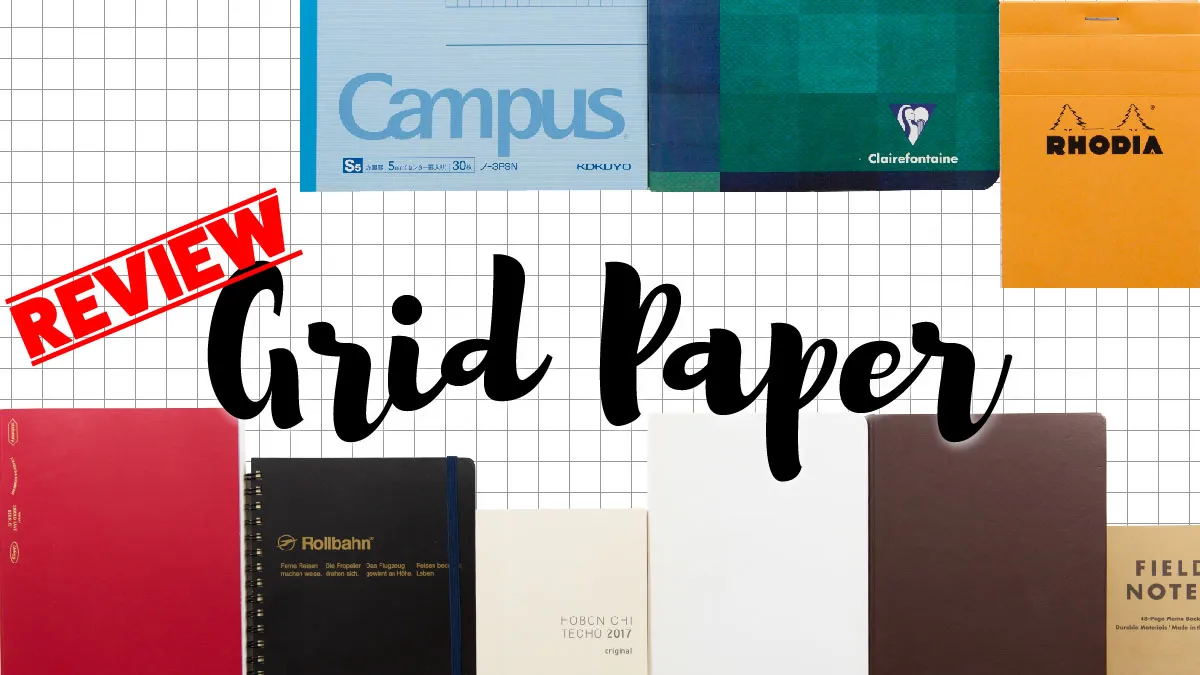
Although uncommon in the English speaking world, grid (or squared or graph) paper goes well beyond high school mathematics and science. Only recently have the joys of grid paper been realized with the increasingly popular method of bullet journaling and the sharing of planner spreads on social media. So what's all the hype about?
most obvious and apparent benefit comes from the small-spaced guide lines
Benefits
The most obvious and apparent benefit of using grid paper comes from the small-spaced guide lines, in our opinion, the smaller the better, such as the 3.7mm (or 0.37cm) in the Hobonichi A6 (see below). Some other benefits include:
- improved handwriting
- easily organized or sectioned pages
- perfect for list-making, such as to do lists
- saves space as it forces you to write within the smaller lines
- keeps writing consistent, for example letter heights
- quick and easy graphs or charts, with or without a ruler
- sketching or artwork
- flippable to landscape or portrait
- great for practicing calligraphy
- ideal for DIY journals, such as a bullet journal
- it just looks nicer
The perfect grid
Whether you're writing or sketching, or a combination of the two, light gridlines are best. If you go too dark, the page appears messy as the lines are almost as prominent as what you write over them.
Of the notebooks we reviewed (full list below), we found the Stalogy notebooks to be the best for their faint lines and almost edge-to-edge coverage. The Stalogy A5 has slightly smaller lines than the A6 (0.4 versus 0.5), which makes it ideal for writing and sketching. It's so good we reordered a few for each of us here at Roadmap+.
The darkest - and largest - lines were in the Rhodia and Moleskine. Unlike the faint dots in their dot grid notebooks, the "squared" Moleskines were too dark for sketching or a few words per line, and in a Large (around A5, but narrower) size or less, there's simply too much going on for the width of the paper.
Everyone has different needs, so it's best to try them for yourself. Some stationers and shops offer single sheet samples, but sometimes some voyeuristic Instagram activity is enough. For example, check out #bulletjournal, #hobonichi, #stalogy or #planneraddict.
Grid notebooks
Click images below to see line and paper details.
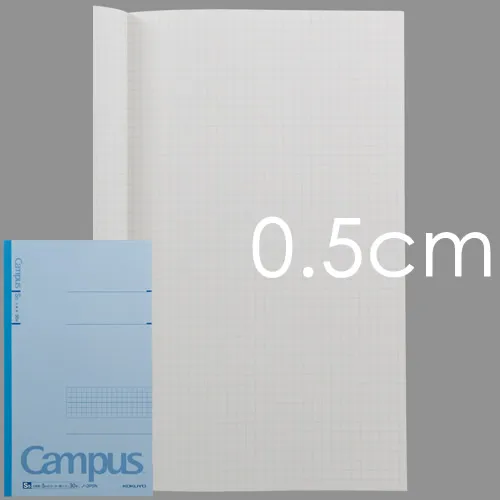
Kokuyo Campus B5
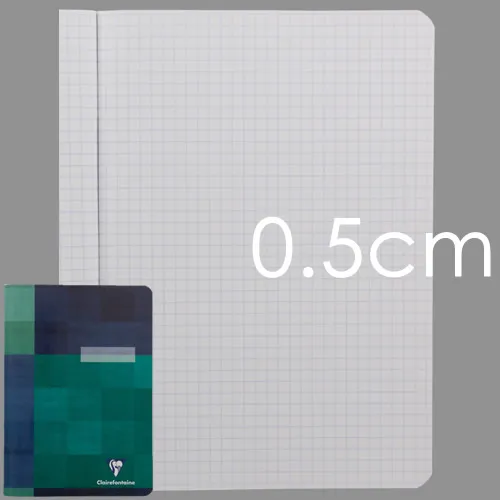
Clairefontaine A5
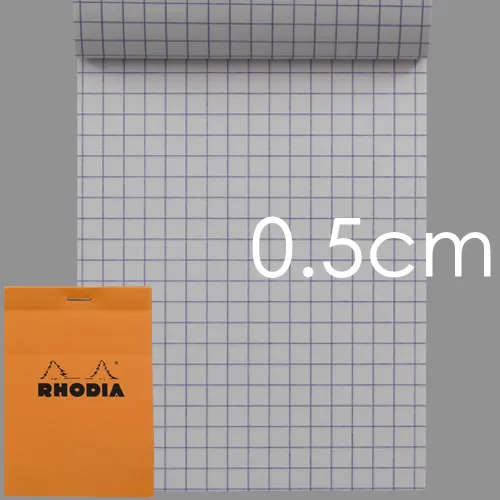
Rhodia Pad
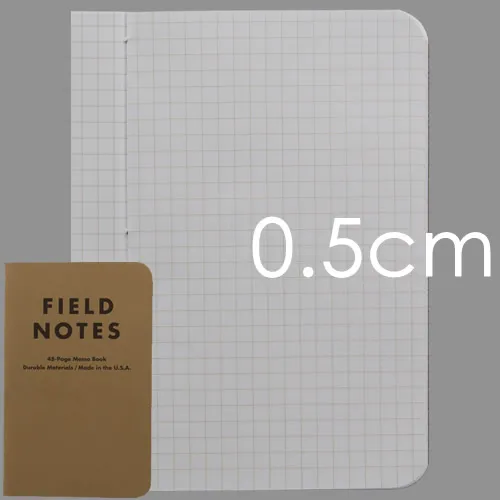
Field Notes
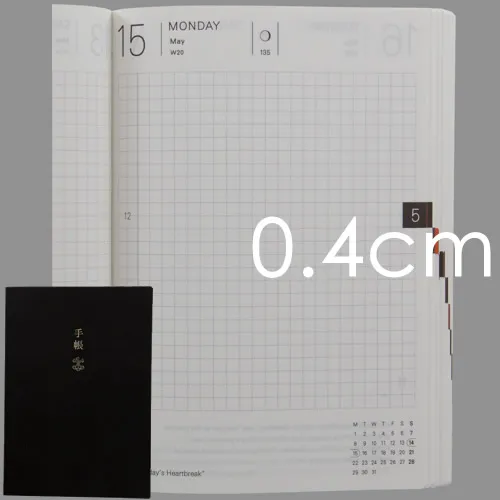
Hobonichi (English) A6
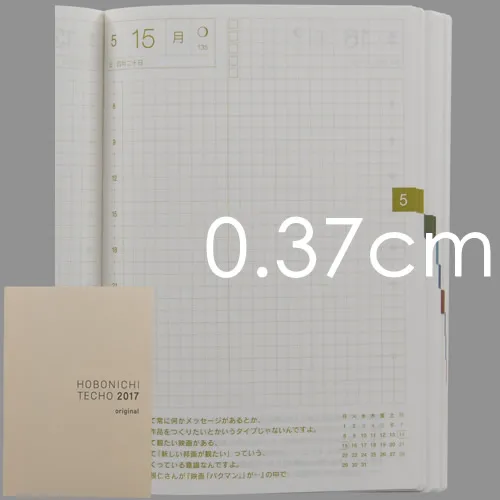
Hobonichi Original A6
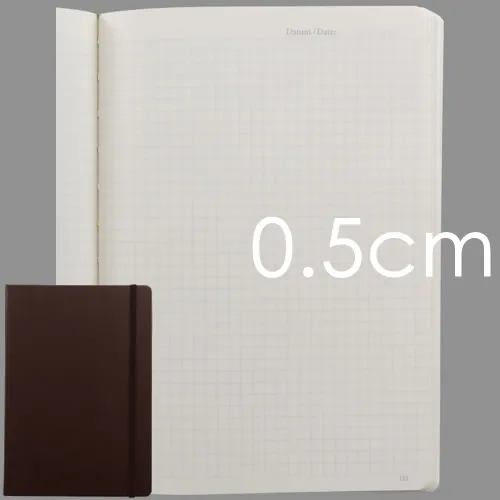
Leuchtturm1917 A5
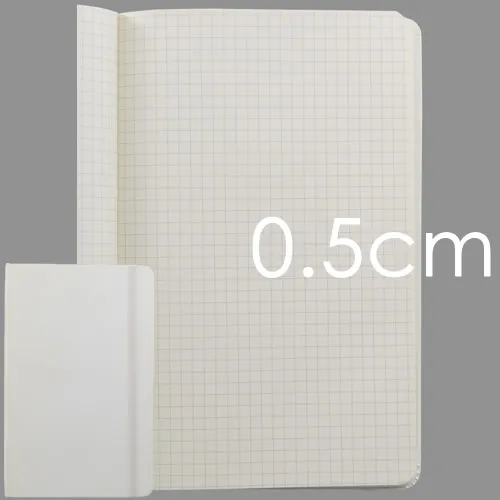
Moleskine Large

Stalogy B6

Stalogy A5 (Team pick!)

Delfonics Extra Large
Category:
For updates on new tools and apps, subscribe to our newsletter. We only send these out when there's something truly exciting - we won't spam you.