Planner vs bujo
Planner vs bujo
By the Roadmap+ Team
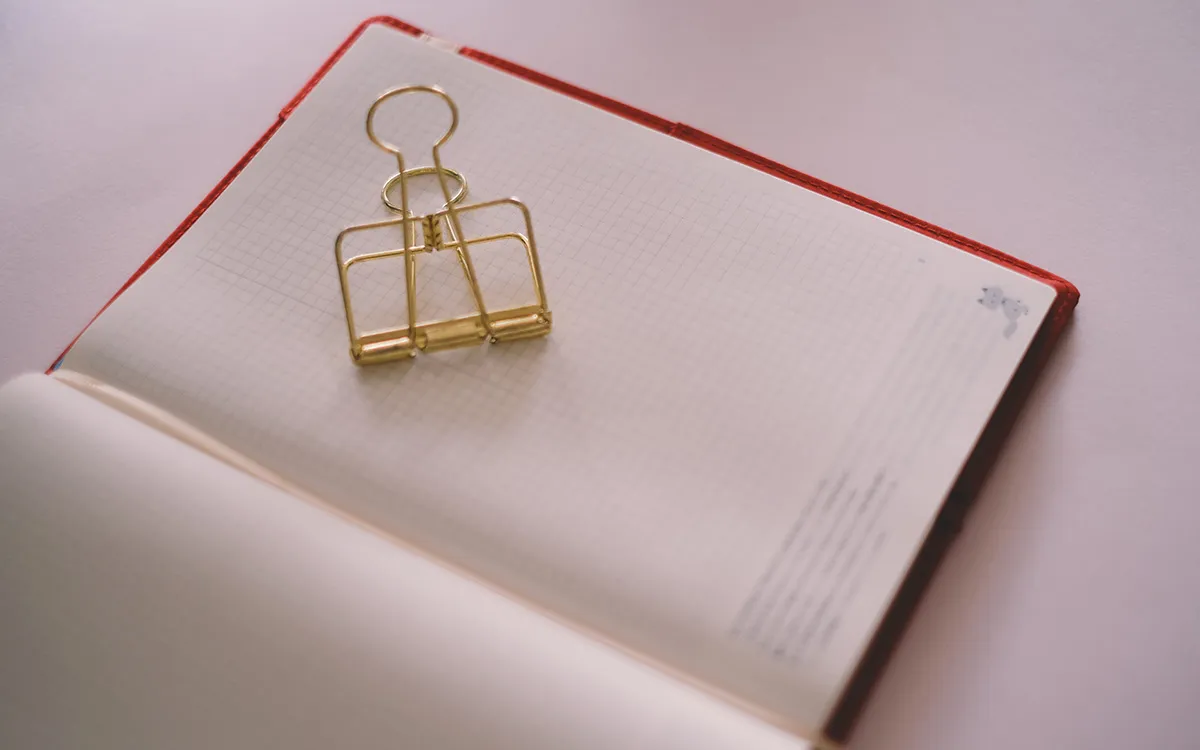
Choosing between a planner and a bullet journal will come down to how much time you can allocate to planning and how much you want to track or create. If you’re short on time, an off-the-shelf planner might suit. If you like customizing, journaling or sketching, a bullet journal would be better. There are also planners that combine pre-printed and blank pages. So, which one should you use?
Deciding what’s right for you may be a matter of trial and error
Off-the-shelf planners
Features
Off-the-shelf, or pre-printed planners, generally include dedicated year, month and week pages, a few informational or tracking pages and possibly a few blank pages. Some also include day pages, such as the Hobonichi and Moleskine Daily Planner.
Week pages are where they tend to differ, the most common layouts being seven days listed vertically one after another on one or both facing pages, each day running top to bottom with the seven spread horizontally across facing pages, or in eight rectangular blocks divided across two rows over two pages.
Benefits
- As pre-printed planners require no set up, they are immediately ready to use.
- Printed dates make it easy to look up past or future entries as well as pencil in future actionables.
- They are light in weight, unless you choose a planner with day pages.
- Seeing a month, year or days consecutively helps visualize time and may assist in effort evaluation.
- Some have the year printed on the spine – ideal for putting on a shelf next to older planners.
- Most brands include one or two ribbon bookmarks.
Disadvantages
- The biggest disadvantage is inflexibility. With all but a few blank pages, customization is limited to impossible.
- Limited space for detail, tracking habits, decorating and mementos.
Summary
A pre-printed planner is best suited to someone who simply wants to open it up and add brief details about events, appointments, reminders and short notes to any given day in a 12-month period.
Popular plannersMoleskine https://us.moleskine.com/en/planners
Hobonichi Techo https://www.1101.com/store/techo/en/ | Instagram
Kokuyo Jibun Techo https://www.kokuyo-st.co.jp/stationery/jibun_techo/en/ | Instagram
Filofax https://www.filofax.com/
Bullet journals
Features
Ryder Carroll created a bullet journal, or ‘bujo’, system in 2013 – a format based on bullet point indicators and a running to do list. Since 2013, the bujo has morphed into a DIY planner that incorporates Carroll’s original bullet points and date-based structures, as well as a range of community-created tracking templates and creative uses. A blessing and a curse, the beauty of the bujo is every page is free for any purpose.
A bujo can be created in any blank, lined, grid or dot grid notebook, the most popular choice being the dot grid Leuchtturm1917.
Benefits
- A bujo is a blank canvas and completely customizable. You could draw up your own pre-printed-style planner and leave the rest of the notebook free for anything you like.
- If a certain format no longer fits your needs, you can simply change the layout next week or month.
- The free pages are great for calligraphy, sketching, language and vocabulary, book lists, photos, stickers or anything you can put on paper and want to do daily or look back on in a yearly volume.
Disadvantages
- Ongoing set up can take up a lot of time.
- As each week, month and free page use can differ, looking up a day or note is inefficient. Even if you use the index, you can’t estimate where a day is. Labelled tabs at the beginning of each month is a possible solution to this.
- Task migration and future planning is redundant and time-consuming.
- It doesn’t lend itself to logging or tracking, unless you dedicate a space or page for that each month.
- If you use the non-planning pages too freely, you could easily run out of space and need to use more than one notebook for a year.
- Some notebooks may not have bookmarks, which adds to the challenge of finding a particular, or the current, day.
Summary
For the person who has the time to journal and a need for flexibility, the bullet journal is ideal. It’s also made for changing layouts or if you’re undecided on a format while needing an all-in-one notebook right away for work, homework, creative pursuits on paper or a scratch notebook. It’s all up to you.
More on bujos
Bullet journal official page https://bulletjournal.com/pages/learn | Instagram
Leuchtturm1917 US page
Stalogy JP site | Instagram
Hobonichi Day-Free announcement | Instagram
Still undecided?
An incompatible planner can hinder productivity and be a daily mood killer that you’ll ditch and replace with another, leaving many unused pages and a partially documented year.
Deciding what’s right for you may be a matter of trial and error, so it might be worthwhile having one of each or alternate for a couple of years until you know which format works best. Complementing a planner or bujo with its alternative is sometimes the best solution on an ongoing basis with the bujo serving as a to do list and diary-style notebook and the planner for long-term planning and logging, including tracking of meals, weight, weather and short notes about daily activities.
Category:
For updates on new tools and apps, subscribe to our newsletter. We only send these out when there's something truly exciting - we won't spam you.