A schedule for productivity
A schedule for productivity
By the Roadmap+ Team
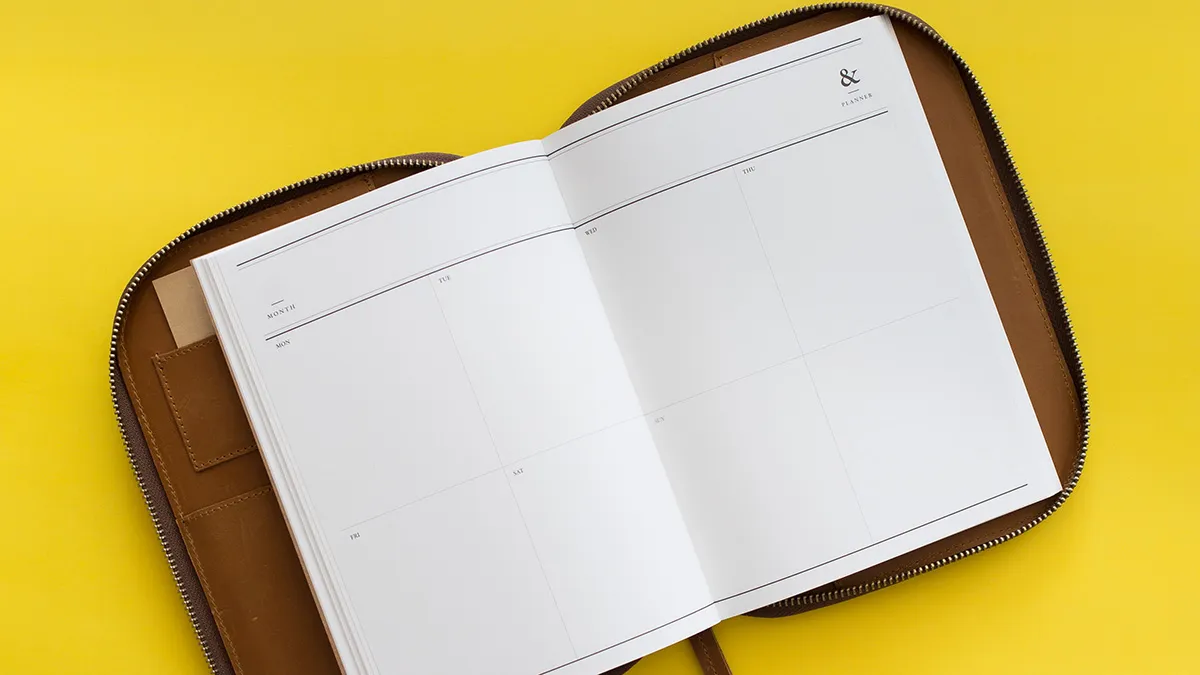
Having a routine and sticking to it is a surefire way of getting things done. It provides the framework for a given day from the moment you wake up to the minute you fall asleep, allocating time to things you should and want to be working on.
Transferring routine to paper – or phone – creates a tangible and actionable list that not only maintains that routine, but also frees you from the stress and worry of what needs to be done. As adults we tend to forget how useful it was to keep a school or university timetable. We knew where we had to be when, and as long as we had our timetable, we could focus on learning rather than worry about the different classes of the day. We made progress on each subject, some more successfully than others, but it was progress, no less.
Even if you don't have an official routine, you surely have daily, weekly and monthly tasks, from subsistence errands to tasks that roll-up to big, long-term goals. If these tasks and goals are aligned to a day and a time in an executable, hour-by-hour timetable, you'll further develop good habits, eliminate needless tasks, reduce wasted time, and ultimately, automate your life. Creating such a schedule is a small project in itself that will require a number of iterations to get right. To construct a schedule that enhances productivity, creativity and increases free time, consider the following steps:
develop good habits, eliminate needless tasks, reduce wasted time and automate your life.
- Conduct a thorough analysis of everything you currently do and brainstorm things you would like to do. Note regular tasks, projects, goals, upcoming or recurring events, and unusual periods of the year (e.g. holidays). Be specific, but a level higher than a detailed to do list.
- Prioritize. With your list of goals and tasks, prioritize what's really important to you personally, but also what has to be done. The key is to be realistic about how much more or less you can do towards commitments and goals. Know when your best time of day is and assign your most important work to those hours, opening up sluggish hours to the more mundane of activities.
- Create schedules for different weeks, months or special periods. Your primary schedule will apply to most weeks of the year, but depending on work, study and other commitments, some weeks may vary, such as holidays or exam periods. For irregular periods, draw up a schedule a few weeks before they commence.
- Tedious tasks are still tasks. A schedule can only work if teeth brushing, showers, commutes, food, couch time and sleep is accurately reflected.
- Be realistic about effort. Don't pack your schedule to the brim. Add a few minutes of contingency at the beginning and end of tasks to setup, reorganize and adjust to the new task. An extra 1-3 hours every couple of days should be considered to capture unscheduled events, such as unannounced guests, ad hoc tasks at work, short notice assessment at school or helping out a friend.
- Allocate time for breaks. Studies have shown taking regular breaks can reset creativity and reduce stress, which stifles productivity and focus. But breaks can also be used to take a short walk, check social media, read and respond to emails or review and reprioritize your next tasks.
- Set aside time for finances. Even if a bill isn't due for another six days, pay it during this block of time. The same goes when a bill arrives in the mail or your inbox. Check the date and set it aside to the next finance session that precedes the date it's due and forget about it until then.
- Create a social slot. Or two. It may appear calculated at first, but if you dedicate time to social events, you'll not only set expectations and avoid the disappointment of friends or family, you'll also feel the urgency to complete tasks ahead of social time.
- Wind down. Routine does not stop at close of business. Ensure you have at least an hour before you hope to fall asleep to wind down, which should include dimming the lights, steering clear of electronic devices and practicing a form of mindful exercise to reduce worries and calm nerves.
- Keep copies of your schedule. Insert copies into planners, on your work desk, in your locker at school or the gym, on the fridge, in your bag, in your wallet.
- Stay positive. Don't beat yourself up when you fail half a day, a week or even a month. The past is the past. Each moment is another chance to succeed and do better sooner. Waiting for a new day, week or year to restart is additional wasted time.
Category:
For updates on new tools and apps, subscribe to our newsletter. We only send these out when there's something truly exciting - we won't spam you.