Choosing the right planner
Choosing the right planner
By the Roadmap+ Team
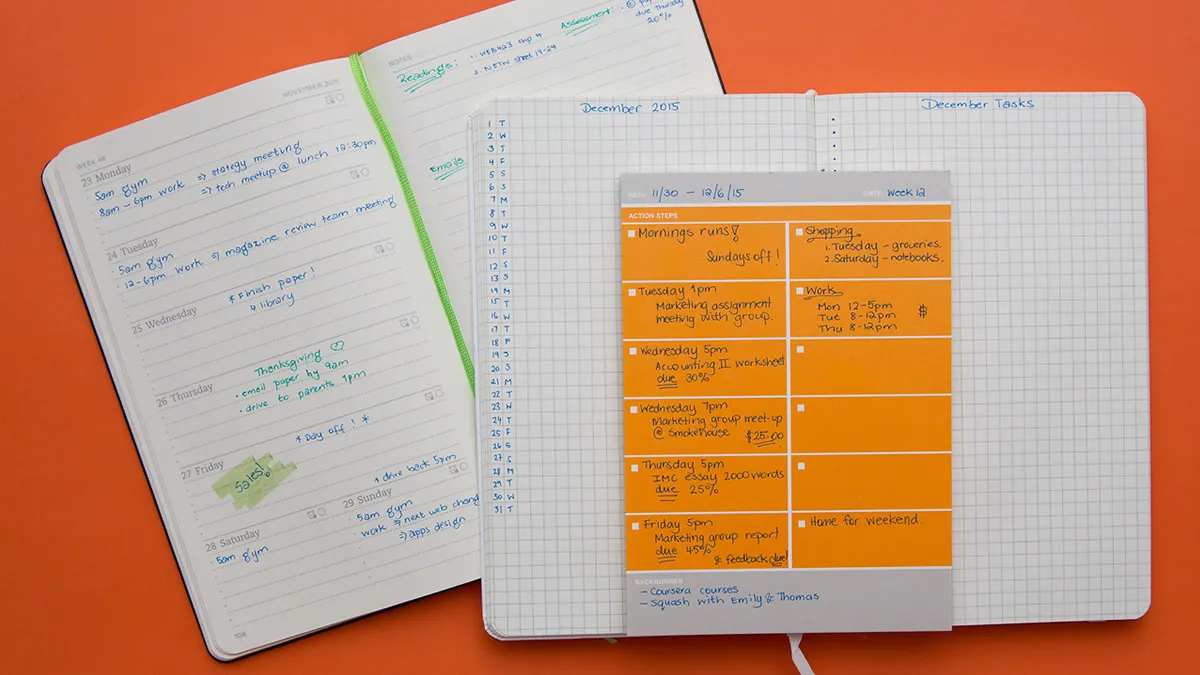
The old adage, failing to plan is planning to fail, is as true as failing to have an appropriate planner is failing to plan and consequently planning to fail. We generally keep the same planner for six to 12 months, so it's crucial that it fulfills its purpose and is suitable to your lifestyle and schedule.
Task-based planners (see photo at top of page)
PROS: Ideal for jotting short descriptions and creating to do lists. Easily find appointments and due dates. Can be a useful tool for school or work.
CONS: Quickly gets messy if used to track large tasks or long-term projects, as there can be a lot of duplication and transfers or migrations. No one-size-fits-all.
EXAMPLES: Action Method, Bullet Journal, Filofax, Moleskine Daily...
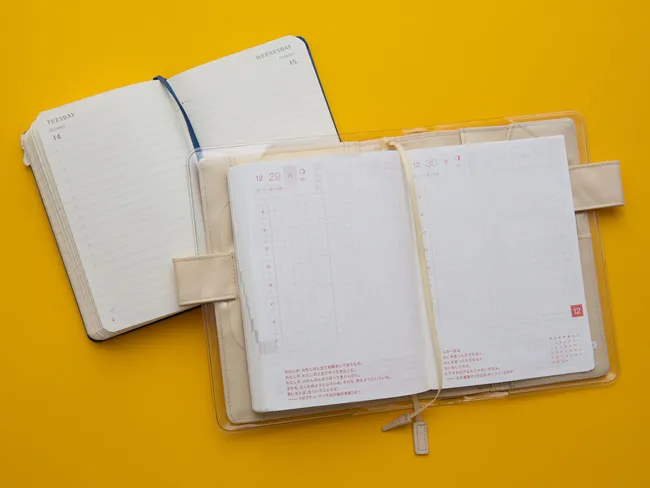
Daily Planners
PROS: Perfect for writing detailed memoirs, thoughts or accounts of the day (journaling). Pages could also be filled with art or work and school-related sketches. Could use to practice something each day (e.g. language notes, math, science).
CONS: Unstructured making it difficult to find anything quickly. Worst option if you need to track tasks or prefer to do lists. Particulary problematic if it lacks a weekly or monthly view.
EXAMPLES: Moleskine Daily, Hobonichi A6
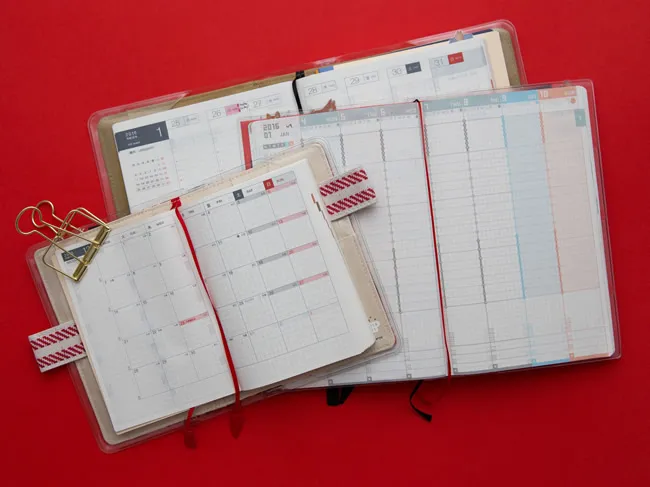
Tracking Planners
PROS: Best for tracking by time or time and activity. Provide visual representation of time by week and/or month. Highly structured, so it's perfect for work or school as this makes it easy to find things and stay on top of your workload. Often light in weight.
CONS: Depending which planner you purchase, space provided by day is likely to be limited. If you want to write a bit more about a day, it must be squeezed into a slim vertical or horizontal column.
EXAMPLES: Kokuyo Jibun Techo, Seeso Graphics, Delfonics Rollbahn, Hobonichi Cousin, Moleskine...
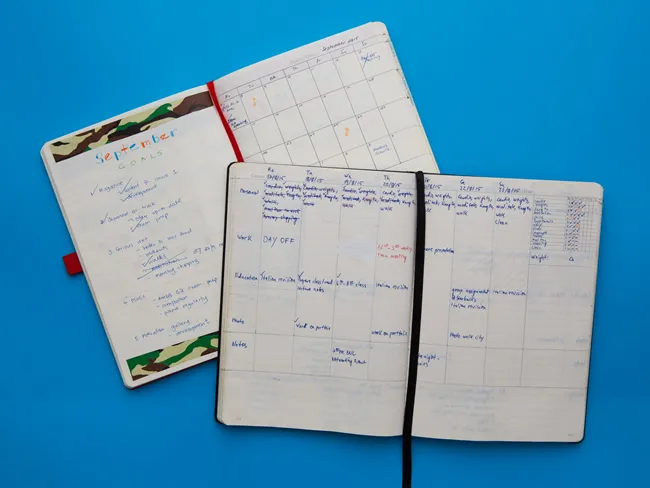
D.I.Y. Planners
PROS: Do-it-yourself planners are the most flexible of all planners, customizable throughout the year without losing any detail. Could be the best option if you can't decide on an off-the-shelf planner. Experiment until you decide which format works for you and buy one in that format next year.
CONS: Requires the most time and effort to set-up upfront or ongoing. May need to use sticky notes for scheduling ahead as you'll need to draw up days, weeks and months yourself.
EXAMPLES: Leuchtturm1917, Moleskine, grid-lined paper works well, ensure at least 120 pages...
Category:
For updates on new tools and apps, subscribe to our newsletter. We only send these out when there's something truly exciting - we won't spam you.