Food for sleep
Food for sleep
By the Roadmap+ Team
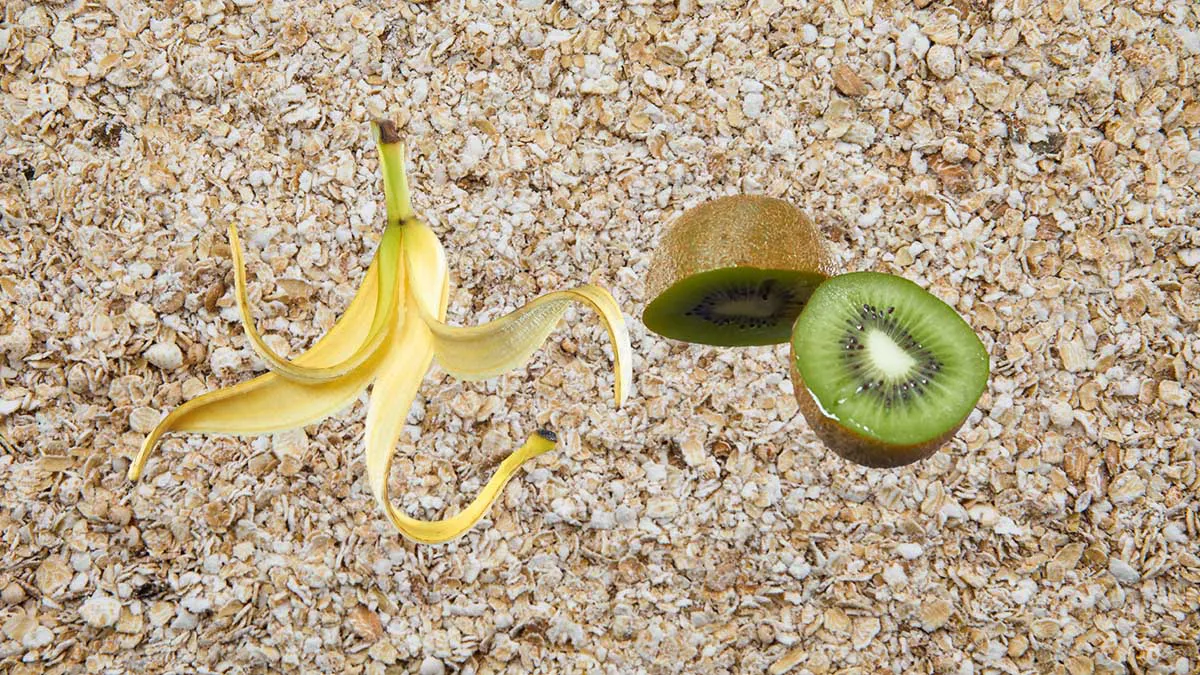
The essential ingredient of sound sleep is exposure to light early in the day, but certain foods or food at the wrong time can eliminate the benefits of light exposure and other sleep-enhancing efforts, so it's important to be mindful when choosing what and when to eat.
be mindful when choosing what and when to eat
Tryptophan is an essential amino acid that acts as a natural sedative, but it can only be sourced from food. Sufficient tryptophan consumption supports the body's facility to produce melatonin, which means better sleep from the onset of sleepiness to the way you feel the next day. When consumed, the body converts tryptophan to 5-HT, then to serotonin which is metabolized to melatonin – the hormone that regulates sleep-wake cycles. Melatonin itself is produced naturally by the body, but it can also be taken orally at varying degrees of effect via supplements, and via food.
Additionally, magnesium and potassium have a calming effect on muscles and the nervous system, so stress-related physical tension could be reduced by including food that contains these elements.
Most importantly, recognize how your body reacts to food. Choose foods that you know don't upset your tummy and therefore won't keep you up. For most of us that means avoiding oily, fatty, sugary, spicy (e.g. chili, peppers), dairy, beans, garlic, onion or just too much food. Choose with your head, not your stomach, especially when it comes to dinner.
Tryptophan:
- prawns / shrimp
- chicken / turkey
- almonds / walnuts
- eggs
- legumes
Magnesium / potassium:
- seaweed
- banana
- soybeans / tofu
- almonds / walnuts
- pumpkin seeds
- kale / spinach
- wholegrains
Melatonin:
- almonds / walnuts
- grapes
- milk
- sour cherries
- tomatoes
- rice
- olives
Calcium (too much can upset your stomach and keep you up):
- milk / soy milk
- yoghurt
- kale
Studies also note:
- kiwifruit
- chamomile tea
When:
- Eat dinner 3-5 hours before bed.
- A light snack 1-2 hours before bed.
- Last liquids 1-2 hours before bed.
- Last coffee or tea at least 4-7 hours before bed, depending how sensitive you are to caffeine. Avoid caffeine completely if you suffer from sleep deprivation.
- Alcohol won't help. It may put you to sleep faster, but it will cause multiple bathroom trips or disrupt sleep cycles that make you feel worse the next day.
Before making significant changes to your diet, speak to a health professional or your GP.
Category:
For updates on new tools and apps, subscribe to our newsletter. We only send these out when there's something truly exciting - we won't spam you.